[00:00:05] Speaker A: Well, welcome back to Distribution Unpacked. I’m Adam Fox and I’m sitting here today at Rubbermaid Commercial Products, their actual corporate HQ in Huntersville, North Carolina. This is super exciting.
[00:00:15] Speaker B: Exciting to have you on them.
[00:00:16] Speaker C: Thanks for having us.
[00:00:17] Speaker A: No, thank you. And I’m sitting here with Rob Posenauer and Scott Fawcett. Rob, tell us a little bit about you and your background.
[00:00:22] Speaker C: A little bit.
[00:00:23] Speaker B: Yeah. You know, great to have you here, by the way. So. So this will be a fun, fun afternoon. But, yeah, my career, I started at GE Appliances. I was in appliances for 20 years and then I moved to Lowe’s. So I sat on the other side of the merchant desk for about six years, and then I’ve been here for almost six years as well. So I’ve moved in. I’ve been in sales roles, marketing, product, brand, and now I’m the president of Rubbermaid Commercial.
[00:00:48] Speaker A: Dealing with all of that.
[00:00:49] Speaker B: Dealing with all of it and having fun.
[00:00:51] Speaker C: Yeah, yeah. Hey, I’ve been with Rubbermaid Commercial.
[00:00:55] Speaker B: Who are you?
[00:00:56] Speaker C: 18 years. Scott Fawcett.
[00:00:58] Speaker A: Scott Faucet.
[00:00:59] Speaker C: Big deal, Huge deal in the industry. 18 years with Rubbermaid. It’s gone by really fast. I’ve spent about 13 or 14 years before that with Black and Decker, DeWalt. So all primarily sales, marketing roles and love what we do here and just interested to.
To share with you what we’ve learned.
[00:01:22] Speaker A: We’re so excited to be here today as I think we call this the plastic palace or things.
So let’s dive in. So, market trends, what are you guys seeing at a macro level about what’s happening in the market as it relates to the products and maybe the industry in general?
[00:01:36] Speaker B: Yeah, maybe I’ll start, Scott, and kind of fill in gaps as well. A lot, I guess, a lot of volatility right now around the world. So, you know, the good thing is we’re a global company, so we do a lot of business in Europe, uk, Asia as well.
And sustainability is an important area that we’re focused on. So with all the priorities and all the volatility in the world, you can lose focus on some things. But for us, we remain laser focused on sustainability.
You know, we think not only does it make sense from a business standpoint, but it’s the right thing to do in general as well. Sure. So I think being part of a global company, Europe and UK especially, they have regulations and requirements around sustainability, so that helps us focus in key areas. And then for us, we’ve always been focused on longevity of product brood. Products have a 10 year warranty. So less in the landfill.
Material choices is a big area of focus for us.
You know, like using PCR in our products is critical and then just kind of being focused on responsible recycling in general and just being an advocate for that. So that’s. Sustainability continues to be one area that’s really important to us. And then there’s a lot of vertical trends. Scott, if you want to talk about that.
[00:02:59] Speaker C: Yeah, I mean one thing that we’ve, we just launched this year is our R40 microfiber. The 40 stands for 40% recycled content.
It’s done extremely well, well received in the market. So I would say Europe and that area is definitely much more advanced from a sustainability perspective. But the US is getting there and I think it’s important to be in front of that trend as we look to develop our products and launch innovation.
[00:03:26] Speaker A: It’s always interesting. So you guys, I mean, we think of it from a global perspective. Obviously Europe leads the way in a
[00:03:30] Speaker C: lot of these things.
[00:03:31] Speaker A: And they finally come here. Maybe they start out on the west in California and then they become. You mentioned something about pcr. For those of us that don’t speak sustainability or potentially resin speak.
[00:03:41] Speaker B: PCR is post consumer recycled resin is what it is. So we use a lot of virgin resin in our products. And you know, it’s the type of PE and PP that you use in resin is critical. So our blend is over the last 50 years or so, we really have the right blend. So we have to be careful when we introduce different types of resin. But PCR is an area that we’re focused on. We’ll have goals on our category like 10%, 15% minimum use of PCR because we think it’s the right thing to do.
[00:04:10] Speaker A: Yeah, no, yeah.
[00:04:12] Speaker C: I think one of the other trends, Adam, that we, we see, and I mean it’s always been there, but private brand is big across most distribution now.
And so I think more than ever for, for us, for rubber band commercial products, it’s critical that we sell the value of our products and what that brings to the end user from a productivity perspective and from a value perspective, we’re not going to always. We’re not going to be the price fighter guy, and that’s okay. We want to be the guy that can come in and offer value and help an end user understand how they can save money and labor savings, things like that.
[00:04:55] Speaker A: I think private brands are fascinating, especially now as we’re witnessing, I know this is going to be topical as we talk about the parasite going on in the world right now with the lettuce and how one manufacturer makes it for everybody.
[00:05:05] Speaker C: Yeah, exactly.
[00:05:06] Speaker A: And so from a marketing perspective, something that I find really interesting, this is one of those moments I wish I was still in grad school because this would be something we would talk about.
Is it really the concept or is it the brand, or is it the positioning of it? At the end of the day, it’s the same product. It’s just I’m buying it at whole foods for $12 or somewhere else. So it’s like when we talk about private brands. I mean, you’re Rubbermaid, for crying out loud. Everyone knows the name. Everyone understands what it is.
And not only do you guys rest on that, the products you guys are looking at and the way you’re looking at things from an ergonomic perspective, you know, I know you guys spend a ton of time studying how the BSC works in that facility and how that. And you know that frontline associate is working not only ergonomically, but total cost of ownership. How are you driving down that cost?
[00:05:47] Speaker B: That’s right.
[00:05:47] Speaker A: Because there’s nothing worse than you’re in a facility working and you have to leave your spot to go get something. Where should you want everything there? So you guys are always leading that way.
[00:05:54] Speaker B: The one thing I would say about private brands and private label in general is it’s here to stay. Right. And so a big differentiator for us is innovation. So we’re part of Newell Brands, to your earlier point, 99% of almost 100% brand awareness with most of our brands, including Rubbermaid. So we have the right to win with our brands, but we’re not entitled to anything. So we just have to understand that and promote our brands and differentiate with innovation.
[00:06:23] Speaker A: Yep, fair enough. Should we talk a little bit market stuff? We think let’s hone down a little bit. Big focus for SPR is around vertical integration, vertical marketing, kind of that customer channel. Where are you guys seeing your biggest channel of growth right now from a vertical perspective? And where are opportunities for you guys?
[00:06:39] Speaker C: Yeah, I’ll kick off. You can weigh in. So we’ve made some choices. We’ve realized a long time ago you can’t do 20 things really well.
So we’ve made some choices with verticals. Not that we play and support in every vertical, but we’ve really leaned into health care. A lot of growth there.
Very changing. A lot of changing dynamics in that space.
Education is a big one, and new construction, large facilities like airports and stadiums or areas that we’ve Spent a lot of time in. And what we’ve done, Adam, is we’ve tried to focus there on like five or six key verticals and align our sales team, our brand activation and our innovation pipeline to those verticals. So it’s kind of like just vertically integrated across from development to commercialization to sales to the end user. So we’ve tried to really focus there. And of course we evaluate it every year and pivot. I mean, it’s not going to stay the same all the time. So we try to make, make adjustments as we go, but that’s the approach we’ve tried to take and it seems to be working really well for us.
[00:07:54] Speaker B: Yeah, to Scott’s point, making choices is important. So all verticals are important. We plan all of them. To Scott’s point, I have a spreadsheet of probably 12 to 15 different verticals. But every August we go into planning for the fall, for the next year on strategies, on invest customers, invest verticals, global partners, all of that, of course.
And we pick areas where we want to focus and those are the areas that, you know, we look at things like size of market, new construction, is it a steady growth. Our partners and their association with these verticals are a big part of it as well. And then we look at new verticals. Like data centers have been top, you know. Yeah, can’t talk about, you can’t have a podcast or anything without talking AI or data centers.
[00:08:42] Speaker C: Let’s do it. Yeah.
[00:08:43] Speaker B: So no, but data centers, we looked hard into data centers and we like, we’re a cleaning company. Right. So we like high traffic areas where we can have the opportunity to clean. But there, there might be some opportunities in data centers, we think as well.
And then government, government’s one that, you know, you do well in. Of course it’s opportunistic for us. Of course we do business with, with different types of government, Certainly, you know, K through 12, etc.
But we, we look at that as an opportunity as well. So our facility, we have four factories in the U.S. as you know, most of our product comes from Winchester, Virginia and Winfield, Kansas. We have Lumberton, North Carolina as well, and then Jackson, Missouri as well. So we’re well positioned from a US manufacturing standpoint to serve these verticals also.
[00:09:34] Speaker A: That’s awesome. And you know, at sp, one of the, you know, we look at the verticals in the similar way. So obviously government fed all that. Yeah, you know, state and local education, that whole space. Healthcare, huge. And I think you guys know this in the regulations in healthcare as we look at an aging population, we’re taking a little bit of a deeper dive. Not only when we think, I think everyone thinks healthcare, they think acute healthcare, the emergency room and the hospital or. But massive opportunity, non acute from the dentist’s office all the way to that long term care facility and so rehab facilities. So always an interesting way to how do you create value?
And a lot of our customers, as you know, legacy op office products customers, they can win in those spaces. With sp, obviously our whole goal is to help them take product offerings you guys have through it. So getting it closer to the end
[00:10:18] Speaker B: user, long term care, huge opportunities. And then I think if you look at our innovation roadmap, we are innovating in these four, these specific verticals as well.
[00:10:29] Speaker A: Yeah. So it’s great alignment.
So I think we touched on this a little bit. I think moving forward, obviously you guys are planning for next year, but there’s still plenty of time left.
What are one or two areas that a customer can win? You know, when I talk about a customer I think about a dealer or a distributor can win or Rubbermaid can help them move forward or kind of open the door for them.
[00:10:49] Speaker C: Yeah.
So I think the biggest thing that we can do with distribution is partner with them on joint business planning and really laying out for the full year how we can go be successful together.
Part of that is working with their sellers to make sure that we’re arm in arm and uncovering end user opportunities. I mean at the end of it all like finding new end users and converting them, that’s the key. That’s what’s gonna drive pull through distribution and help us all win together. So I think that’s the key thing is just having those strategic conversations, winning together in the field, arm in arm.
[00:11:35] Speaker B: Yeah, I think Scott hit it. But we sell products and product solutions. Be proud of those products, understand them, understand, you know, from a. It goes back to product training. But we’ve been doing this, I’ve been doing this for over 30 years now, I guess.
And understanding that I think is key. Watching end users, cleaning professionals use products and understanding what they need I think is critical. We try to do a lot of insight work. So we’re out in the field watching and listening and then innovating for that as well. And then I think I mentioned earlier when I talked quickly about my career, I was on the other side of the desk as a merchant at Lowe’s. That really helped. And I know as a vendor we try to understand our customer and distributor strategies. I think it goes Both ways and understanding the focus areas we talked about invest customers, verticals and where we can find those synergies together, I think is kind of the magic formula.
[00:12:32] Speaker A: Yeah. And you guys have done a wonderful job over the years. I think one of my favorite things you guys do is you’ll highlight a facility and how to position products really, the solutions across. I think so many times, especially at the distribution level, the DSR is so used to selling a specific product or a way and they go, you know, right to the restroom or right to the gym floor.
[00:12:51] Speaker C: Yeah.
[00:12:51] Speaker A: Well, you just walk past seven or eight different opportunities and I didn’t even think about, you know, and I think it’s always, how do we at SP help the customer? You know, our customers look at that differently, but also how do they reach out to you to say, hey, there’s an opportunity or, you know, I’m really not comfortable in this area. Can you help me?
I think that’s always the. How do we kind of bridge that gap?
[00:13:11] Speaker C: Yeah, I agree. It’s pretty powerful when you can enable a DSR sales team and make them an extension and get them excited about for sure, about RCP or any brand. Right. So that’s what we try to do and it’s been successful. Yep.
[00:13:28] Speaker A: And then they learn something new. It’s always exciting. You know, as we come up for a wrap here, you know, one of the big things that sp, as we looked at for this year and continue to bizarre the idea around simplifying complexity.
[00:13:36] Speaker C: Yeah.
[00:13:37] Speaker A: One of the most complex spaces in the world from a supply chain perspective of what we do, that’s just the nature of the business. But in your opinion, what’s one way we can partner both at SP and with Rubbermaid or in general, kind of simplify the complexity for the, for our mutual customers.
[00:13:52] Speaker B: I think I’ll start. Scott, you can jump in as well. But the great thing about being with Newell Brands is also sometimes a challenge. We’re a big company, $9 billion company, really six businesses kind of put together. Right.
So there was a lot of complexity in that. So over the last two to three years, we’ve been trying to simplify that. And I tell Scott all the time and in my staff meetings, like, we have to be easy to do business with. I mean, just as simple as that is, when we make decisions and we have meetings, we’re trying to ask each other, does that make it easy, easier or harder for our customers to do business with us? So that’s one just looking for the obvious areas. I think AI really helps in planning and forecasting. Supply chain. I was looking at a sheet the other day of all the uses that Newell brands has for AI. Right now, it’s over 50 different areas, so it’s crazy. Obviously, the content and marketing is part of it, but lead generation, if you think of customer care and customer service and ordering parts all the way to supply and demand planning, I think we’re better today. I know we’re better today at forecasting because of AI support. So I think that’s an area of simplification as well.
[00:15:08] Speaker C: Awesome. Yeah, I think it’s just simply, it’s customer first and trying to find a way to say yes.
I think oftentimes big corporations lose sight of, believe it or not, lose sight of the customer. Right. And that’s why we’re all here, is because of you guys and all the customers that we serve together. So I think we got to always try to do what’s right for the customer and what’s right for our business. Of course. But if we can come together and figure that out and move with urgency, that’s really what matters to us.
[00:15:40] Speaker B: I think, like, to Scott’s point, and I mentioned it earlier, just being out in the field, but thinking externally. Yeah, it sounds so easy. But don’t get caught up in making decisions here. You know, get out and talk to customers and talk to end users, and you’ll likely make the right decisions.
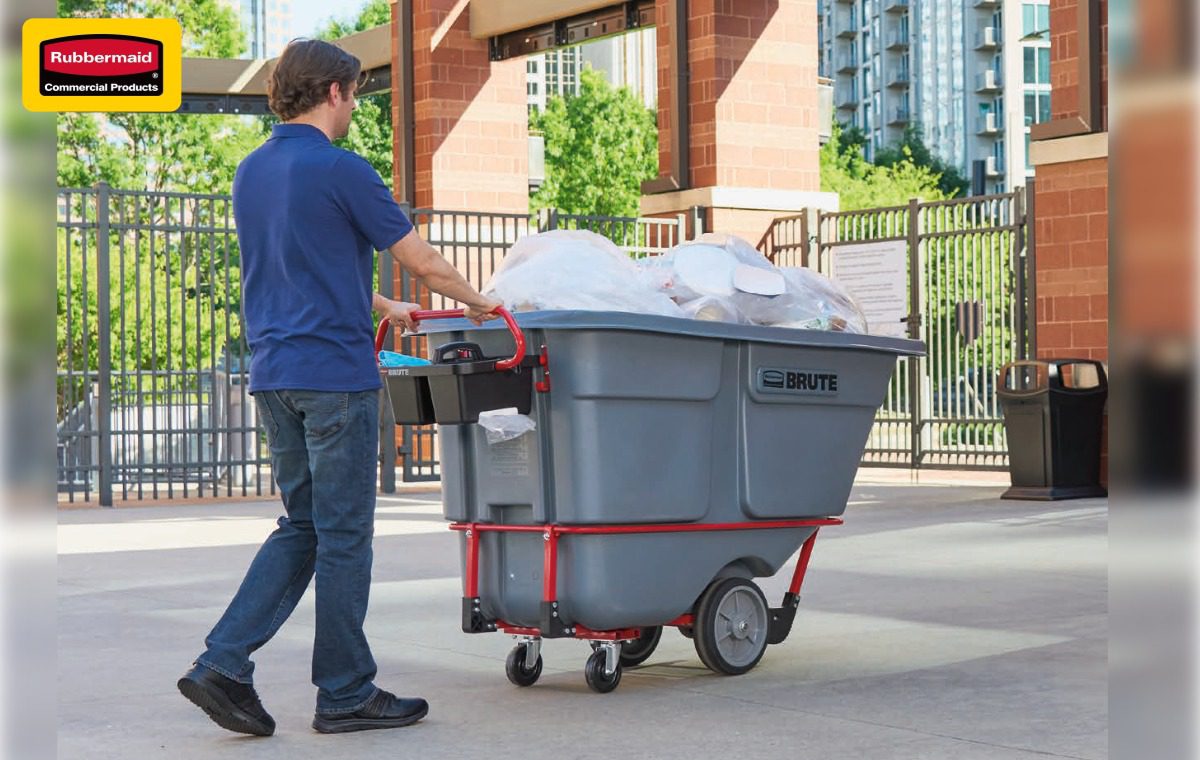
[00:15:57] Speaker A: Yeah, for sure. So I have a question, and this has nothing to do with simplifying complexity. As a matter of fact, it’s going to make your lives even more complex. Do we have any ideas, thoughts, concerns? Maybe in an Atom dream we can bring back collegiate brutes.
[00:16:10] Speaker B: Oh, interesting.
[00:16:11] Speaker C: Good question.
Yeah.
[00:16:14] Speaker A: You’re on the record now.
[00:16:15] Speaker B: Yeah, exactly. Right.
[00:16:16] Speaker C: No, I mean, we.
So I was around when we launched those.
They were expensive because you had to pay for the license.
[00:16:23] Speaker B: Sure.
[00:16:24] Speaker C: Kind of thing, but they were cool, so it’s probably something.
[00:16:28] Speaker B: I think it’s a possibility, is what I would say. How about that? On the record, I love that. I. I think. You know, it’s funny you say that, because we partner with Tepper Sports Charlotte Panthers here, and so we just mocked up a NFL version of that with the Panthers and I sent it to the stadium.
So it’s a possibility.
[00:16:47] Speaker C: Could just bring it back.
[00:16:49] Speaker A: A Florida State one would be great.
[00:16:51] Speaker C: Yeah, I think we had. We had one.
[00:16:52] Speaker A: No, you did. I distinctly remember. And there’s a great story behind it
[00:16:55] Speaker B: because you guys, I think Purdue would be better, but that’s all we could start with.
[00:16:58] Speaker C: Did you get your hands on it?
[00:16:59] Speaker A: No, it was. It was. No, it was like this one.
[00:17:01] Speaker B: Beautiful.
[00:17:03] Speaker A: Like, you know, trash receptacle in the boxes, and it was. That was it. That’s all that was.
[00:17:07] Speaker B: They’re gorgeous.
[00:17:08] Speaker A: You know, you just always didn’t want to throw anything in it. It was kind of nice.
Guys, thank you so much for taking some time. We’re excited to be here today, meeting with a ton of folks and going through some different stuff. So I really appreciate the time.
[00:17:19] Speaker C: Thanks, Adam. Yeah. And I just want to say thank you for your partnership and SPR’s partnership. We’ve been doing business together for a very long time, and we appreciate you coming up and making time for us.
[00:17:30] Speaker B: Yeah.
[00:17:30] Speaker A: Thanks, guys.
[00:17:30] Speaker B: Thank you very much.
[00:17:31] Speaker A: Appreciate it.
[00:17:31] Speaker C: Thanks.